

 Back to List
Content and organization
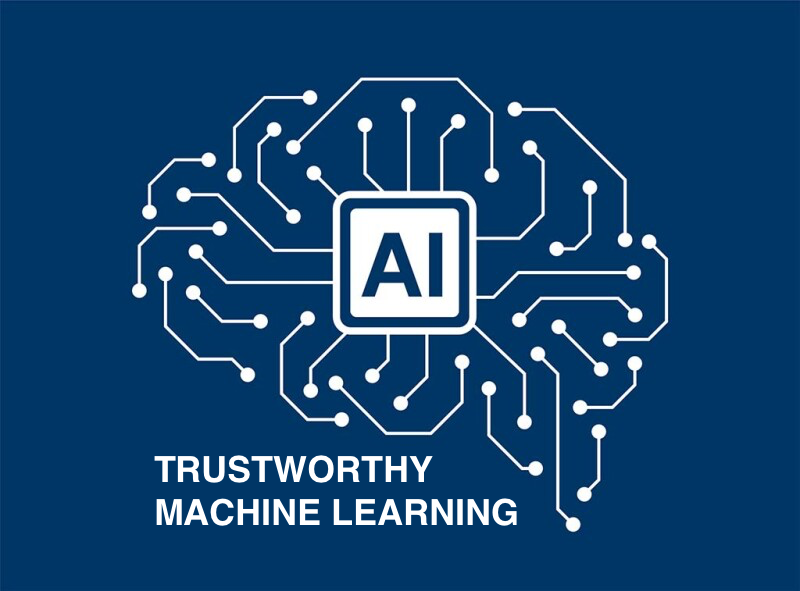
This interdisciplinary course offers a comprehensive overview of the main ethical challenges raised by Artificial Intelligence. Open to PhD students at all stages, scholars, and the general public, the 2026 edition builds on the success of its predecessor – which attracted over 300 participants from across the globe – and introduces two new thematic strands: AI, Ethics and Education and AI, Ethics and Creativity.
The programme addresses foundational questions in ethical theory, the societal impact of AI systems, bias and fairness, generative AI, the relationship between AI and human rights, legal frameworks such as the EU AI Act, as well as the emerging intersections of AI with education and creative practices.
Course Type
Short Course
Participation terms
Registration is open until 30 September 2026 through the following form:
https://forms.gle/K3uJac6ySUSTvFiVA
Schedule
13 October 2026 Ioannis Pitas (University of Thessaloniki) AI and Geopolitics 21 October 2026 Maurizio Mori (Consulta di Bioetica) Ethics and AI 29 October 2026 Giovanni Sartor and Marco Billi (University of Bologna) AI, Ethics and Law 6 November 2026 Alfio Ferrara (University of Milan) AI, Ethics and Language 9 November 2026 Colin de la Higuera (University of Nantes) AI and Education 17 November 2026 Sanmay Das (Virginia Tech) AI and Society 25 November 2026 Teresa Numerico (Roma Tre University) Epistemology, Politics and AI 2 December 2026 Guido Boella (University of Turin) AI and Society
Modality (online/in person):
Participants wishing to take the exam are required to submit an article (approximately 5,000 characters) in English or Italian, addressing the ethical aspects or societal impact of AI in relation to their research experience. The piece should be accessible to a broad audience and written in a clear, engaging style. Outstanding submissions may be featured in the SIpEIA Magazine Intelligenza Artificiale (magia.news).